
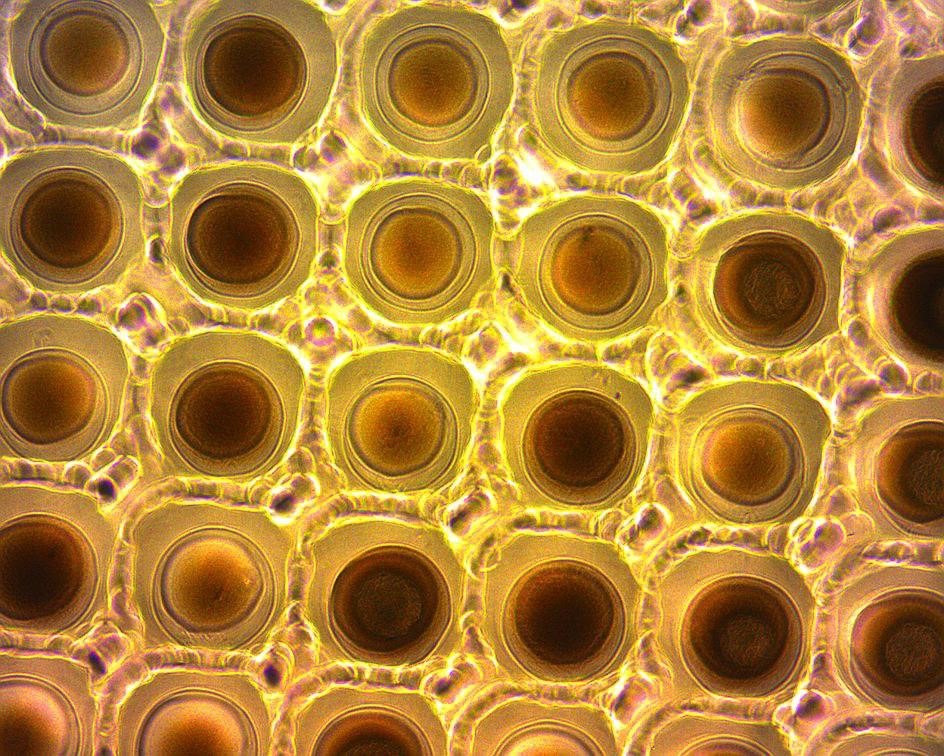
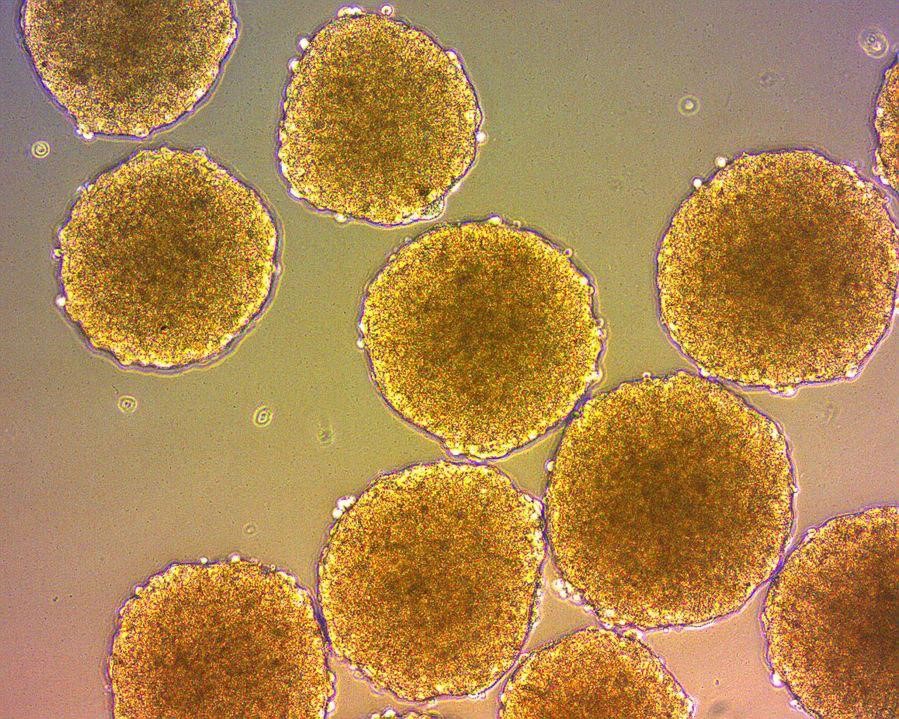
In the scientific and educational center "Smart materials and biomedical applications" of IKBFU researchers are working on technologies, seemed something from the field of fiction up until recently. Here, scientists grow spheroids — miniature three-dimensional structures of cells that are gradually becoming the key tool in modern medicine.
In the biomedical applications laboratory of IKBFU spheroids are used in two strategically important directions:.
• Tissue bioprinting
Spheroids act as "bioink" — peculiar construction points, from which form complex living tissues and even the beginnings of organs. This is one of the most promising ways to develop regenerative medicine.
• Nanoparticle testing
Three-dimensional cell structures allow a more accurate assessment of the effectiveness of nanoparticles in anti-tumor photothermal therapy, particularly in the treatment of hepatocellular carcinoma. These researches helps to improve approaches to cancer therapy.
Creating spheroids looks like a work of art: cells are placed in reusable forms out of a garrowed gel, then transferred to plantlets for cultivation. After a few days, dense spherical structures — small models of future tissues — are formed in the nutrient medium.
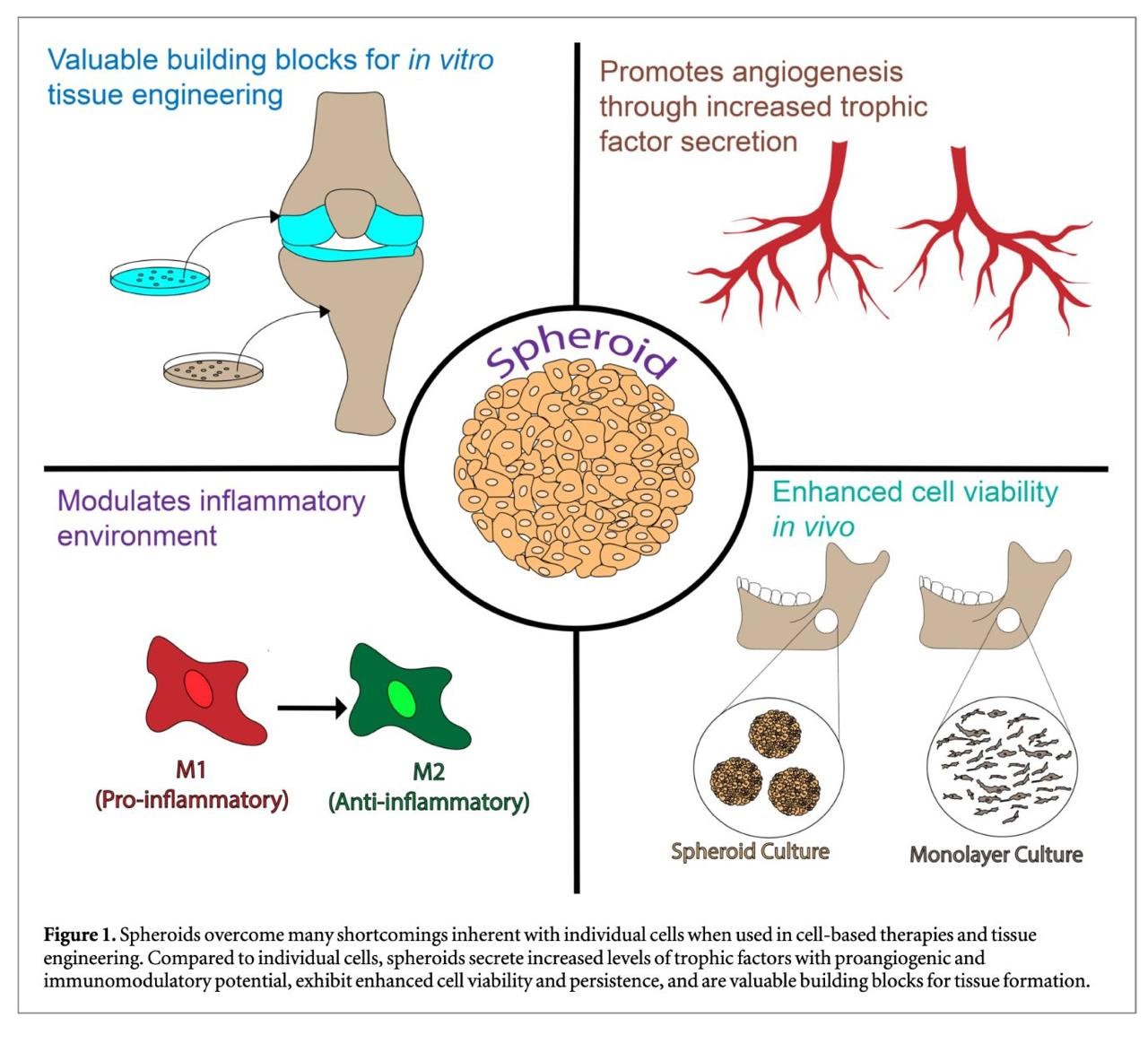
This technology was made possible by a scientific revolution in the late 20th century. Scientists then understood: two-dimensional cell cultures are too far from the real conditions of the organism and do not allow to correctly transmit complex biochemical signals. Three-dimensional structures, on the other hand, create an environment that is as close as possible to a natural one.
Spheroids — essentially tiny three-dimensional «communities» of cells — are formed by natural fusion and dense packing. Within them, a complex network of connections between the cells and the extracellular matrix is created, which makes such models particularly valuable.
Today, spheroids are becoming irreplacable in everything from testing new drugs and developing immunotherapy to regenerative medicine and personalized disease models. It is these technologies that are gradually moving medicine from the realm of laboratory research into the space of real clinical solutions for the future.

User profile for student
User profile for student
I give consent to the processing of the personal data provided, with Personal Data Processing Policy acquainted
Confirm consent