Longevity is One of the Key Trends in Modern Science and Medicine
The international term “longevity” encompasses researches the aim of which is to find ways to slow down senescence.
Researchers believe that humans are programmed to live up to 120 years or, according to some data, even up to 150 years. Many scientific groups around the world are currently accumulating their efforts, seeking resources, and working on new technologies to slow down aging. Leading scientific journals are paying special attention to developments that demonstrate ways to prolong life. Today, experts are focusing on a combination of genetic factors, innovative therapies, and lifestyle management to slow down aging.
The question of how to make human life longer and improve it’s quality is being studied from various perspectives at the IKBFU. Biotechnologists are proposing copyright peptides and superfoods, immunologists have studied the impact of vitamin D deficiency and fatty liver disease on health. The geneticists have identified a direct correlation between mitochondrial DNA stability and age-related diseases, and medical professionals have teamed up with artificial intelligence experts to study and maintain cognitive health.
Peptide "CC-18" for a Beautiful Skin
An effective and safe ingredient can be used in the composition of new-generation food products and anti-aging cosmetics.
The SEC ”Industrial Biotechnology” team is conducting a series of studies on longevity and the creation of geroprotective substances, which are capable of slowing down the aging process. Under the leadership of scientists Olga Babich and Sergey Tikhonov, a new low-molecular-weight peptide has been developed. The name of the peptide synthesized at the IKBFU is derived from it’s amino acid composition — "CC-18." The "university’s" peptide is involved in maintaining tissue architecture and accelerating the processes of reepithelialization, which involves the restoration of the wound surface with new epithelium, the elimination of irregularities on the skin surface, and the renewal of it’s layers.
Due to it’s composition and cyclic structure, the peptide is resistant to destruction by the enzymatic system. This allows it to maintain peptide’s intact structure in the gastrointestinal tract (where an aggressive environment can deprive the peptide of it’s beneficial properties and effectiveness), enter the bloodstream, cells intact and exert it’s desired therapeutic effect at the cellular level.
 Anti-aging: Superfood from Kaliningrad Plants
According to Professor Harman's theory, aging is associated with the accumulation of free radicals in the body. To slow down these processes, it is necessary to prevent oxidative damage to cells.
The team of the SEC "Industrial Biotechnologies" in the fight against free radicals proposed the use of plant components — flavonoids and other phenolic compounds. Scientists decided to extract these substances from plants of the Kaliningrad region. Extracts of gray alder, meadowsweet, common heather, and silver tarantula have antioxidant, anti-inflammatory, antineurodegenerative, and antiglycerating potential.
The complex of natural substances can be used both as an independent nutraceutical and as a dietary supplement. This will facilitate the intake of micronutrients and biologically active substances into the human body, which are currently deficient in the majority of the population.
|
Stanislav Sukhih, Doctor of Technical Sciences, Head of the IKBFU Laboratory of Microclonal Plant Propagation: |
|
Research on the use of biologically active substances from plants to create functional and specialized anti-aging food products was supported by the Russian Science Foundation and the Ministry of Education and Science of the Russian Federation. The results of the work have been published in leading international journals and have attracted the interest of a major producer of plant extracts from Russia. Cooperation with the customer has already begun. |
Anti-Aging Vitamin D
IKBFU scientists have proven that vitamin D plays an important role in ensuring healthy longevity: it supports the functioning of the immune and cardiovascular systems, as well as the musculoskeletal system.
Today, the world is experiencing a global pandemic of metabolic syndrome. The causes of it’s development are closely related to the aging of the immune system, mitochondrial dysfunction, increased production of reactive oxygen species, and a wide range of anti-inflammatory mediators that cause chronic low-grade inflammation. It has been proven that early exposure to any of these factors leads to accelerated aging phenotypes, including the loss of functional capabilities in cells, organs, and systems, and results in typical age-related diseases. The researchers at the Center for Immunology and Cellular Biotechnology at the Immanuel Kant Baltic Federal University have focused on identifying molecular and cellular biomarkers of metabolic syndrome.
In particular, scientists have proven that vitamin D plays an important role in ensuring healthy longevity: it supports the functioning of the immune, cardiovascular, and musculoskeletal systems. Many people take vitamin D supplements, but they still suffer from it’s deficiency. This is due to a number of factors, including genetic characteristics related to DNA structure and obesity, where adipose tissue accumulates vitamin D and prevents it’s sufficient delivery to target cells.
|
Larisa Litvinova, Doctor of Medical Sciences, Director of the Center for Immunology and Cellular Biotechnology at the Immanuel Kant Baltic Federal University: |
|
Our research focuses on studying how vitamin D deficiency affects the risk factors for metabolic syndrome. This will help doctors provide more accurate recommendations to patients to ensure that their vitamin levels are sufficient. |
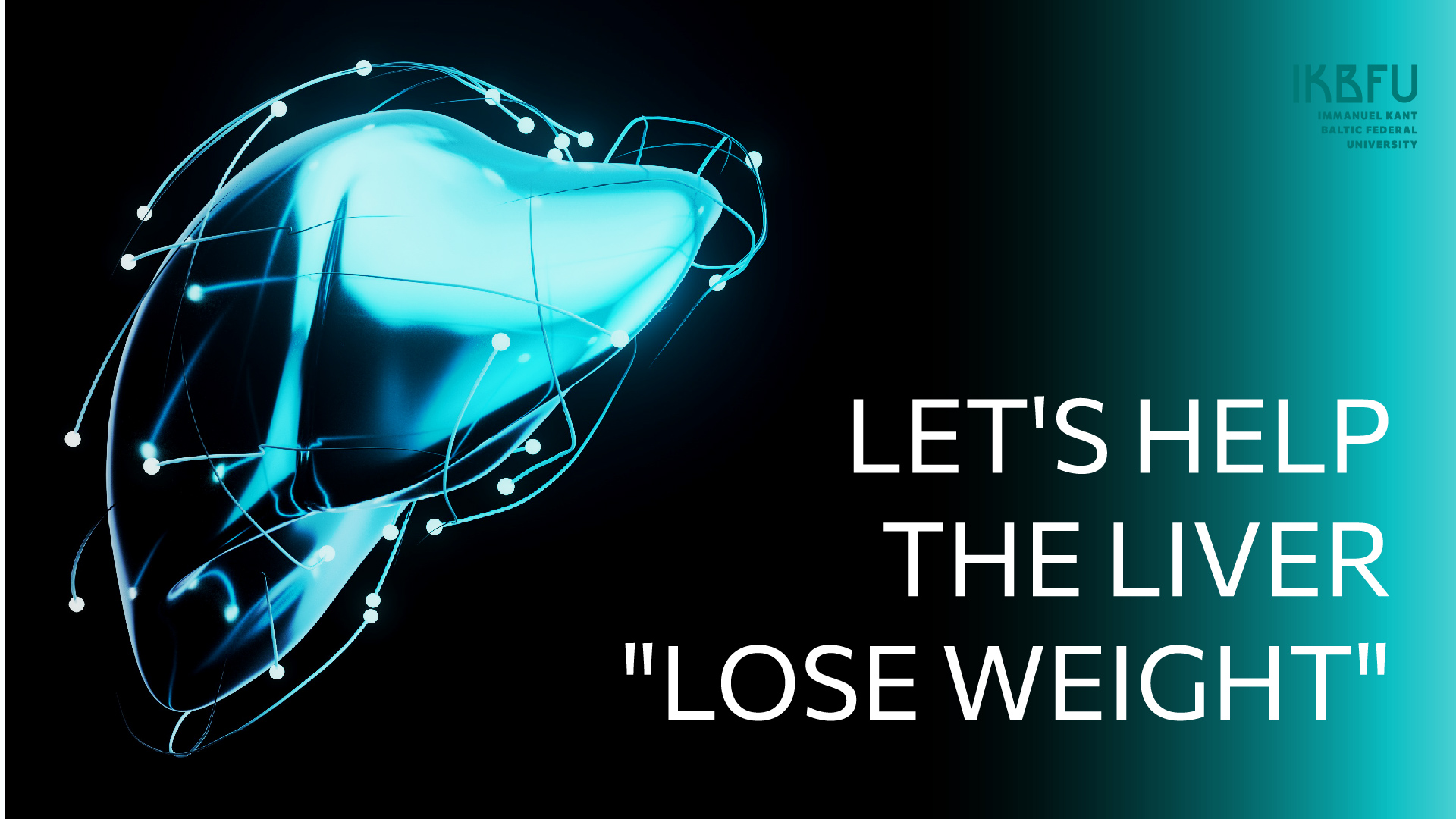
Let's Help the Liver "Lose Weight"
Non-alcoholic fatty liver disease is the main concomitant disease of metabolic syndrome. IKBFU scientists offer minimally invasive and operational methods for diagnosing fatty liver disease.
Today, liver tissue biopsy is the only unambiguous method for diagnosing non-alcoholic fatty liver disease. However, performing a biopsy is associated with a number of side effects (bleeding, anesthesia, post-operative rehabilitation, etc.). The long process of making a diagnosis also exacerbates the situation. It can take weeks from a biochemical blood test to an ultrasound, MRI, and biopsy. The staff of the Center for Immunology and Cellular Biotechnology at the Immanuel Kant Baltic Federal University offers to significantly reduce the time and improve the methods of diagnosis.
The team of the Center for Immunology and Cellular Biotechnology at the IKBFU is developing and improving an approach based on already available laboratory tests of patient’s blood, including biochemical analysis, enzyme-linked immunosorbent assay (determination of pro-inflammatory factors), and polymerase chain reaction (detection of microRNA). This comprehensive and minimally invasive method will allow for highly accurate diagnosis of liver pathology and assessment of the progression of the disease.
|
Larisa Litvinova, Doctor of Medical Sciences, Director of the Center for Immunology and Cellular Biotechnology at the Immanuel Kant Baltic Federal University: |
|
Based on years of research, we are creating unique databases of molecular genetic, clinical and laboratory data, which will serve as the basis for biomedical algorithms, models, and solutions. This will enable doctors to predict and promptly diagnose complications of metabolic syndrome, thereby improving the quality and duration of life. |
 Why Do Mitochondria «Break Down”?
Aging is a complex process that is caused by a variety of mechanisms. One of them may be related to the malfunction of mitochondria, which are the energy factories of cells.
The lack of energy that occurs during aging and leads to the development of severe diseases is clearly linked to mutations in mitochondrial DNA (mtDNA). For several years, the team of the Center for Genome Research at Immanuel Kant Baltic Federal University has been actively studying the mechanisms of mitochondrial DNA fragment loss due to mutations and molecular processes. The researchers have made a discovery: they have identified the main cause of loss, which is the errors of mtDNA "copying" proteins, which have a three-fold greater impact on the loss of genetic material during division than previously discovered nucleotide repeats.
The geneticists have also identified and described the most fragile and sensitive regions of mtDNA. The research conducted by the scientists from Kaliningrad has provided valuable insights into the process of "selfish" natural selection, where defective mtDNA replaces healthy mtDNA, leading to energy deficiency and tissue degeneration (especially in the brain and muscles).
|
Viktor Shamansky, Researcher at the Center for Genome Research at Immanuel Kant Baltic Federal University |
|
The results of our research and the model we have developed allow us to predict individual risks of developing age-related diseases (neurodegeneration, myopathies) associated with deletions in mtDNA. Understanding the exact mechanism of deletion formation (structural fragility) opens up the possibility for targeted intervention to protect mtDNA or prevent replication errors, which is the first step towards developing methods to halt tissue degradation. Our key scientific objective is to create a universal concept for identifying individual "fragile spots" in the mitochondrial genome of any individual. |
Based on the data obtained by the IKBFU geneticists, it will be possible to create a technological product line for combating aging. For example, a diagnostic test can be developed to assess an individual's predisposition to accumulating dangerous deletions. Additionally, by identifying the precise structural targets in mtDNA, it will be possible to develop methods for correction or stabilization. One possible option is the targeted delivery of special molecules to mitochondria, which will protect vulnerable areas from the formation of breaks during replication.
|
Victor Shamansky, Research Fellow at the Center for Genome Research at the Immanuel Kant Baltic Federal University: |
|
We have moved from the observation of the accumulation of mtDNA mutations during aging to understanding the specific structural mechanism of their occurrence. This discovery turns the abstract “mitochondrial failure” into a clear molecular target for diagnostics, prediction, and future therapy aimed at preserving cellular energy and prolonging tissue health in old age. |
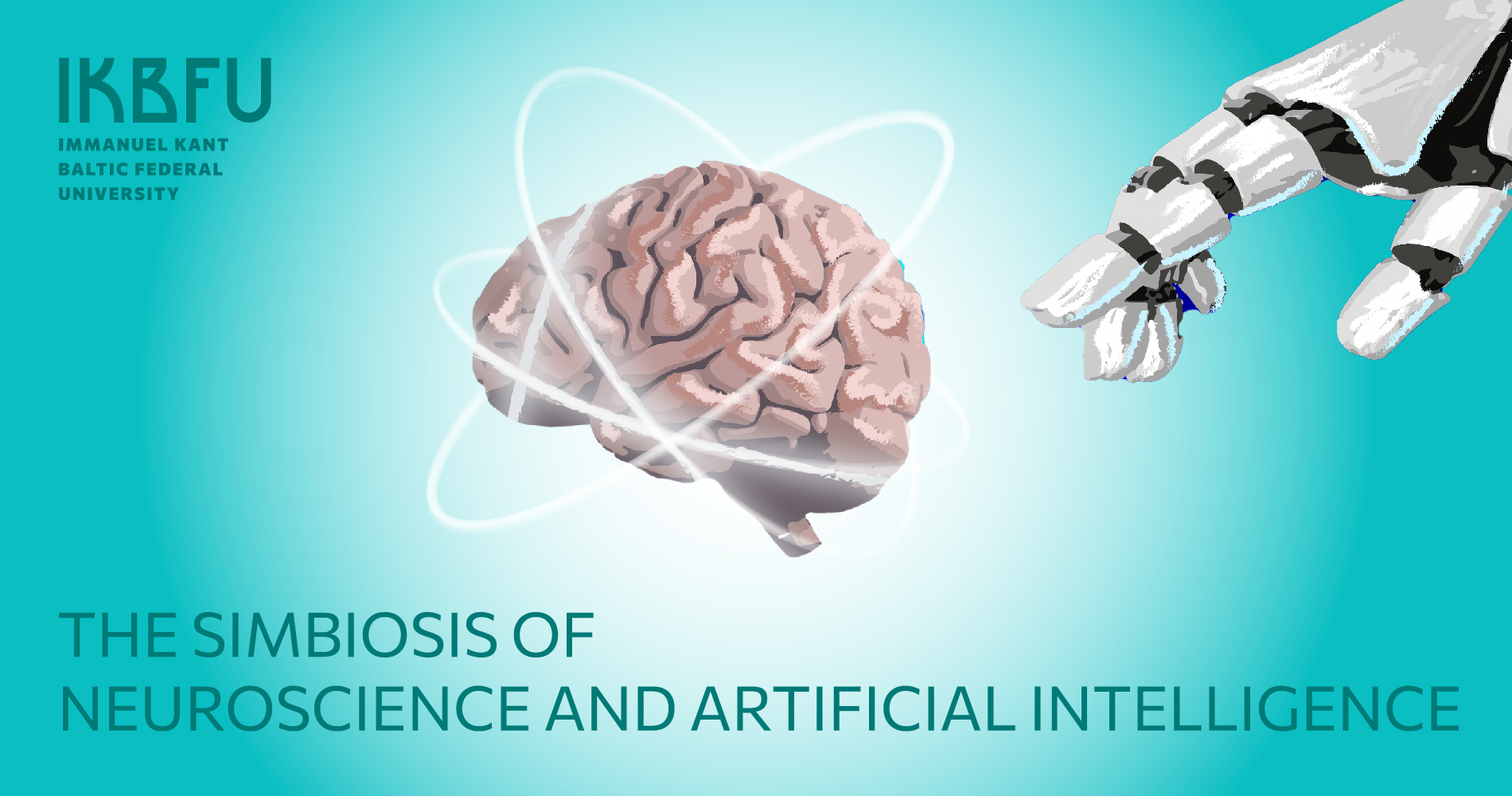
Cognitive Health: The Cornerstone of Quality Longevity
Longevity is not only about human life expectancy, but also about quality: maintaining health, mental clarity, and meaningful activity into old age. In this context, cognitive health — the ability of the brain to effectively perform it’s key functions, such as memory, attention, thinking, and speech — becomes the main condition for an independent and fulfilling life.
According to the Russian Academy of Sciences, the human brain begins to age at the age of 36-39. Until this age, people actively generate new ideas, and then they mostly use and develop their existing intellectual baggage. The IKBFU pays special attention to this task by developing advanced projects in the field of early diagnosis and therapy of cognitive disorders.
At the Crossroads of Neuroscience and Artificial Intelligence
For five years, scientists at the Baltic Center for Neurotechnologies and Artificial Intelligence at the Immanuel Kant Baltic Federal University have been working on cognitive longevity technologies, creating a symbiotic relationship between medicine and artificial intelligence. Their research has successfully transitioned from the laboratory to clinical practice. For example, the “Riskometer for Cognitive Disorders”, a smart program, has proven its effectiveness by conducting a large-scale screening and analyzing the cognitive status of over 5 million patients.
In collaboration with colleagues from the First Pavlov State Medical University in St. Petersburg, a unique diagnostic device based on transcranial Doppler ultrasonography was developed, which visualizes cerebral blood flow in real-time. However, the main breakthrough lies in the algorithms. A specially trained recurrent neural network analyzes patient responses to physical and cognitive stress, allowing for highly accurate personalized rehabilitation by predicting which specific exercise program will be most beneficial for each individual.
The Cognitive Health Center: Where Innovation Meets the Patient
The logical continuation of this research work was the opening of the Cognitive Health Center (Neurorehabilitation) in October 2025, where residents of the Kaliningrad region receive comprehensive assistance, from diagnosis to treatment using the latest tools, including artificial intelligence, VR technologies, and specialized cognitive training.
12 unique developments by IKBFU scientists have been integrated into the Center's work. A multidisciplinary team of experts from Kaliningrad, Moscow, and St. Petersburg, including a neurologist, a therapist, an endocrinologist, a medical psychologist, and a functional diagnostics doctor, conducts the appointments. In 2026, the Center plans to expand to a regional level, which will allow it to provide assistance to 1,200 patients.
|
Natalia Shusharina, Head of the Cognitive Longevity Strategic Project at the Immanuel Kant Baltic Federal University: |
|
In 2025, our services were provided to approximately 150 patients. The most common complaints include increased fatigue, impaired memory and concentration, as well as motor impairments, including those resulting from a stroke. It is too early to draw conclusions, but we are already seeing positive results: patients are experiencing improved memory, better sleep, and stabilized emotional states. |

User profile for student
User profile for student
I give consent to the processing of the personal data provided, with Personal Data Processing Policy acquainted
Confirm consent