
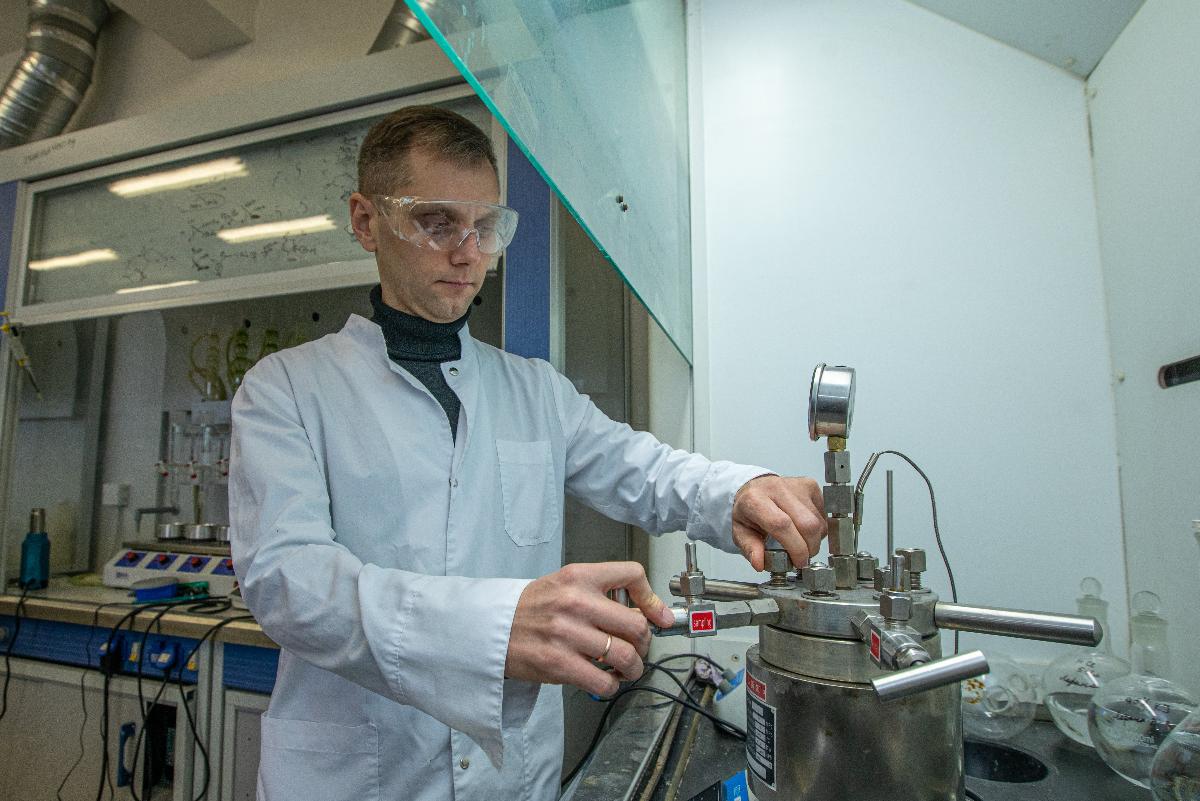
Scientists from IKBFU isolated a polysaccharide called fucoidan from brown seaweed, which has antioxidant and antimicrobial properties. It can protect cells from harmful free radicals. In addition, experiments have shown that fucoidan from brown seaweed can inhibit the growth of Pseudomonas aeruginosa and Escherichia coli, which are bacteria that cause infections in wounds, respiratory systems, digestive systems, and urinary tracts. These properties make fucoidan a potential candidate for use in antimicrobial drugs, dietary supplements, and cosmetic products. The results of this research have been published in the journal Food Bioscience.
Brown seaweed contains a wide range of valuable compounds with antimicrobial, antitumor, antioxidant, and anti-inflammatory properties. One of these compounds is the polysaccharide fucoidan, which helps cells fight inflammation and protect themselves from damage, as well as activates the human immune system. However, it has been challenging to obtain fucoidan without any impurities that could limit its effectiveness.
Scientists from Immanuel Kant Baltic Federal University, along with their colleagues from Kemerovo State University and Kaliningrad State Technical University, have proposed an approach that allows them to extract the maximum amount of the beneficial polysaccharide from the brown seaweed Fucus vesiculosus, which grows in cold northern seas.
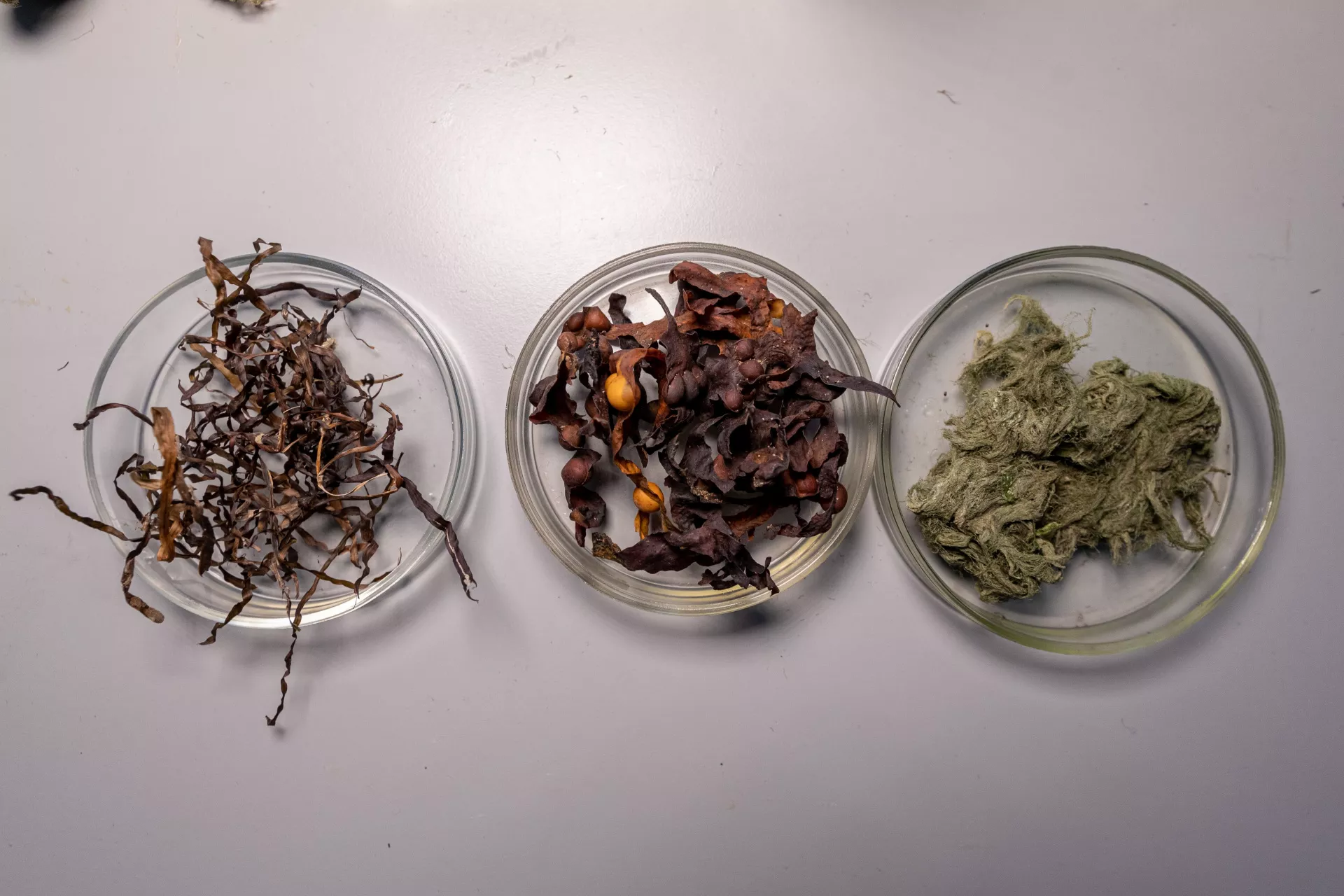 The researchers dried and crushed the seaweed, and then selected an extraction method using a salt solution (calcium chloride) that maximized the yield of the desired compound while maintaining its desired purity. This allowed them to obtain the target polysaccharide in the form of a beige-colored powder.
The biologists tested the therapeutic properties of fucoidan and demonstrated that the extracted polysaccharide can bind more than 75% of harmful radicals, thereby protecting living cells from their negative effects. Additionally, the experiments showed that the extracted fucoidan can inhibit the growth and development of Pseudomonas aeruginosa and Escherichia coli, which are bacteria that cause infections in wounds, respiratory systems, digestive systems, and urinary tracts. This suggests that the extracted substance from Fucus could potentially be used in antimicrobial drugs.
| We have found a way to extract fucoidan from brown seaweed while maintaining its high biological activity. Currently, fucoidan is mainly used in the form of dietary supplements and cosmetics, but our data confirms that it can be considered as a functional ingredient in the formulation of next-generation food products. In the future, we plan to study the mechanisms of this macromolecule's therapeutic properties in more detail and improve the extraction technology for its implementation in production facilities, |
| explains Stanislav Sukhikh, Doctor of Technical Sciences and Professor at Immanuel Kant Baltic Federal University. |

User profile for student
User profile for student
I give consent to the processing of the personal data provided, with Personal Data Processing Policy acquainted
Confirm consent