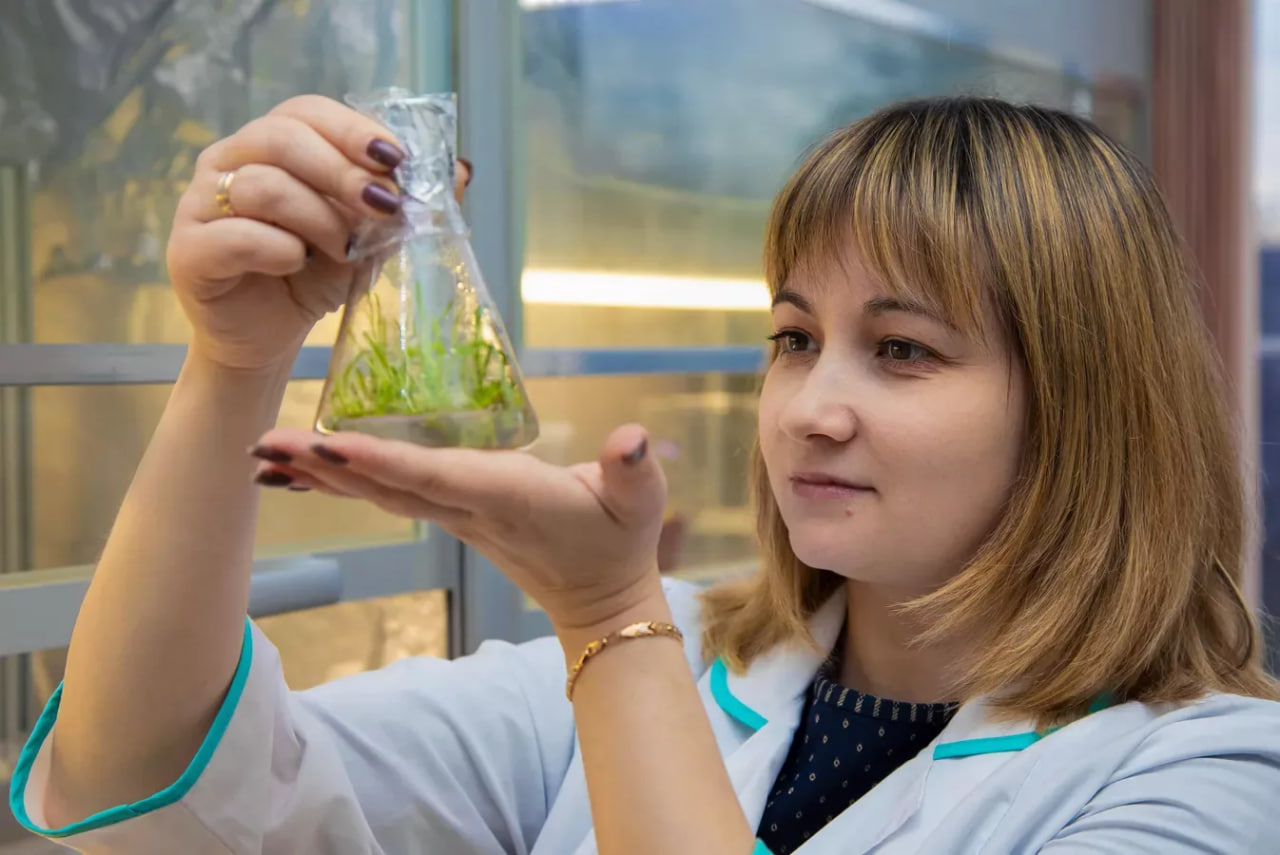
Scientists at the Industrial Biotechnology Research Centre of Immanuel Kant Baltic Federal University have conducted a comprehensive study of sweet clover (Melilotus officinalis), a plant collected in the Kaliningrad region, and identified a range of potentially beneficial pharmacological properties.
After successfully obtaining the plant extract, researchers subjected it to thorough analysis. They discovered high concentrations of biologically active substances — specifically derivatives of luteolin and kaempferol — compounds well known for their antioxidant properties. Laboratory tests revealed that the extract is non‑toxic to human blood cells. Furthermore, the scientists found that it reduces levels of inflammatory markers by nearly half and exhibits antibacterial activity.
| Olga Babich, Director of the Industrial Biotechnology Research Centre at Immanuel Kant Baltic Federal University: |
| Because medicinal plant extracts can interact with cell membranes, they must be used with extreme caution regarding concentration – incorrect levels may increase membrane permeability, alter cell structure, and cause cell death, with some extracts even accumulating toxic metabolites that further reduce cell viability. Sweet clover has long been recognised for its medicinal properties, but this is the first comprehensive study of an extract from plants harvested in the Kaliningrad region. Particularly important is the fact that the extract proved non‑toxic to human cells. |
Next, scientists will investigate how sweet clover's active compounds work at a deeper level and how they interact with the body's cells. The findings could lead to new treatments and preventive options — from anti-inflammatory drugs to functional food supplements.
The study has been published in the Biocatalysis and Agricultural Biotechnology scientific journal.

User profile for student
User profile for student
I give consent to the processing of the personal data provided, with Personal Data Processing Policy acquainted
Confirm consent