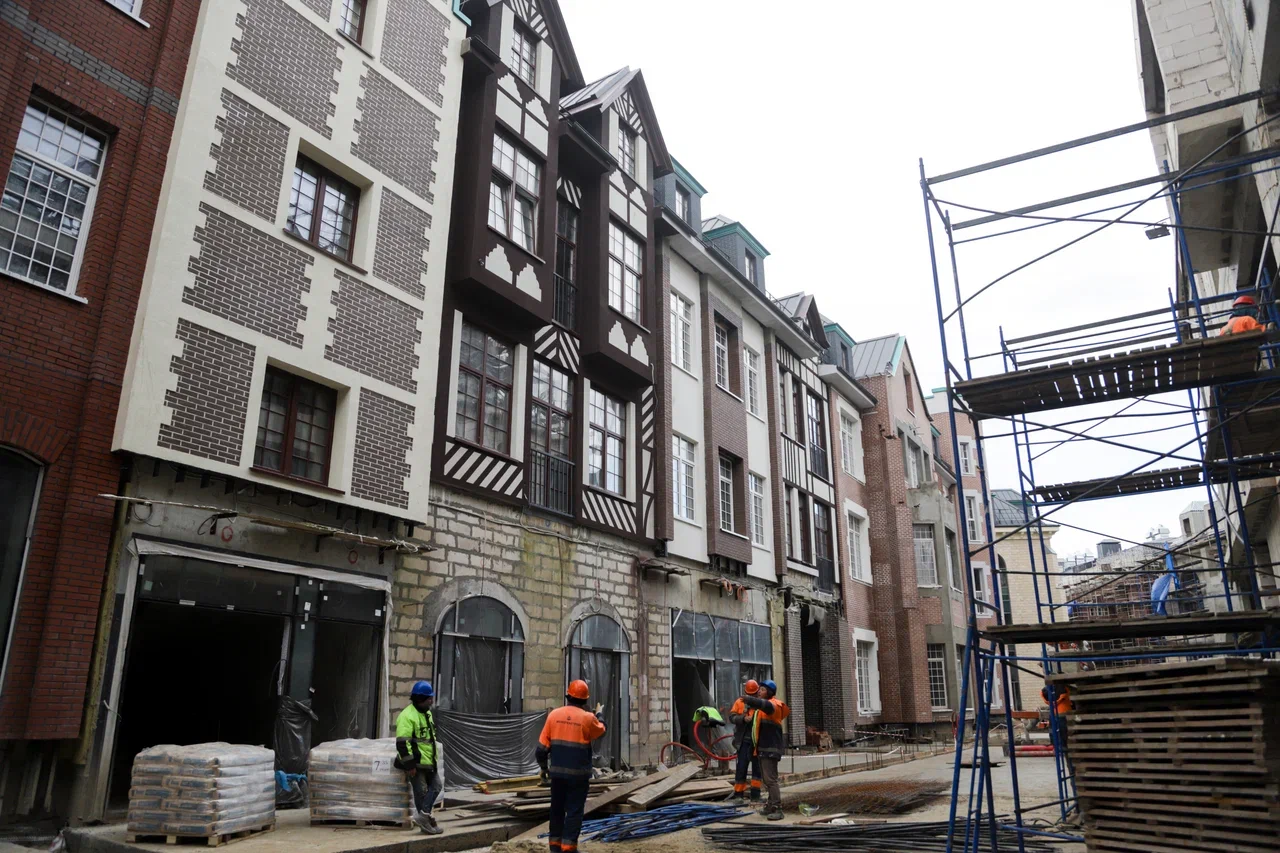
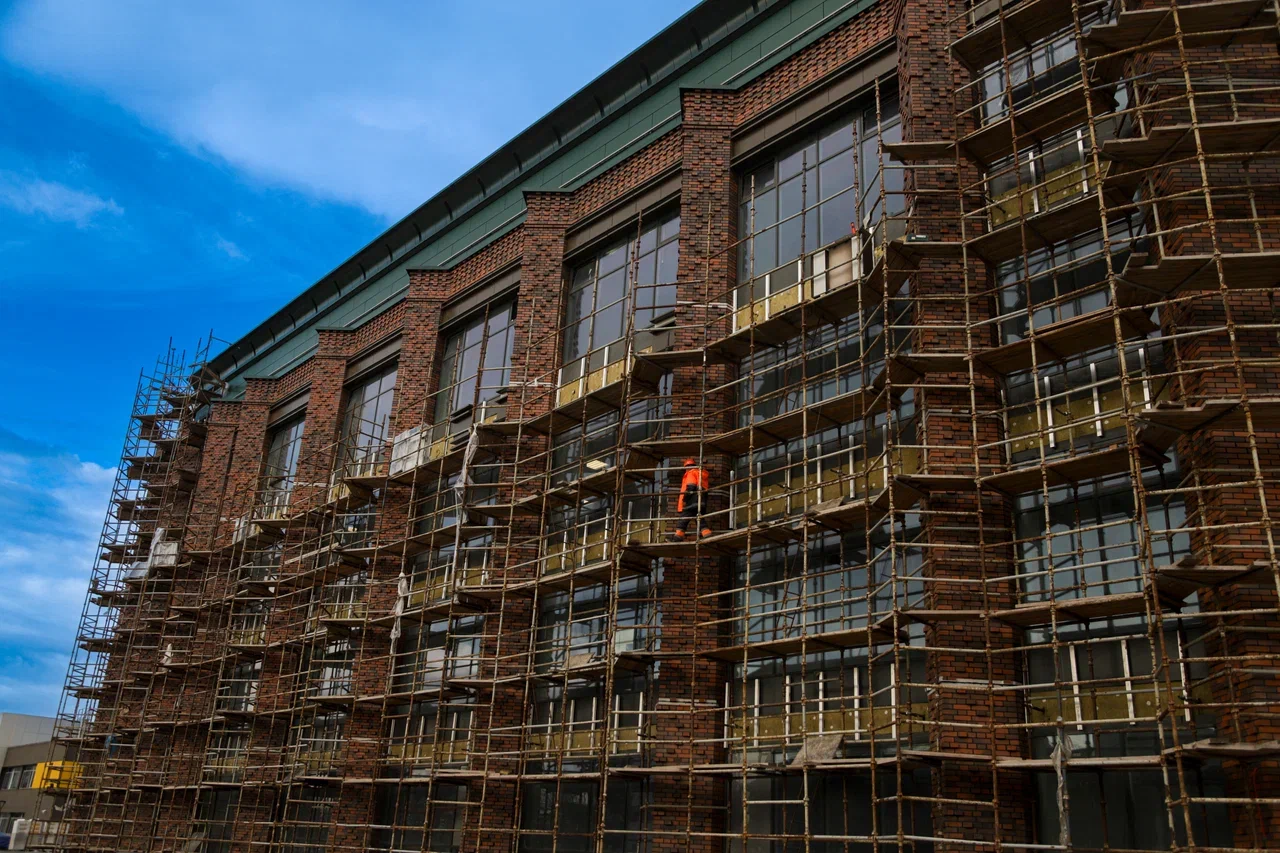
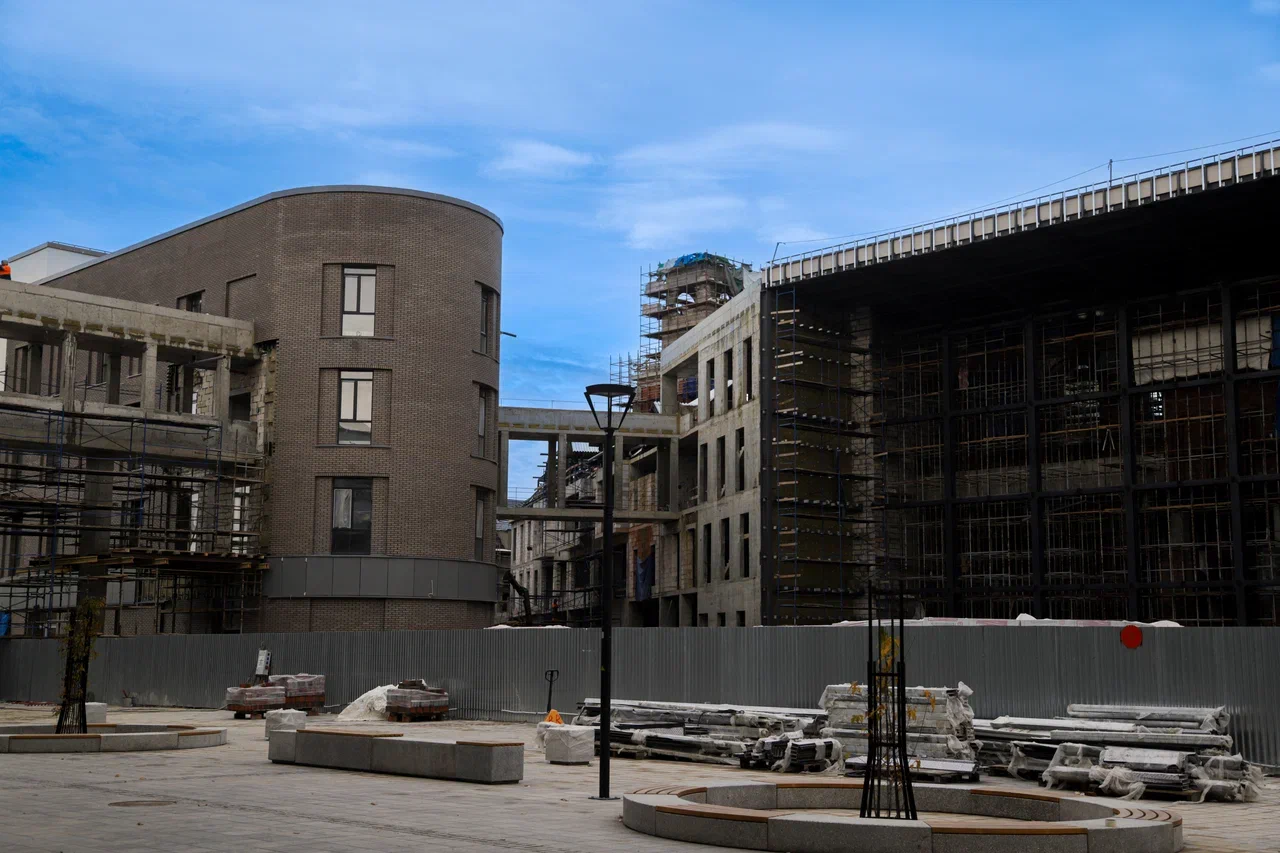
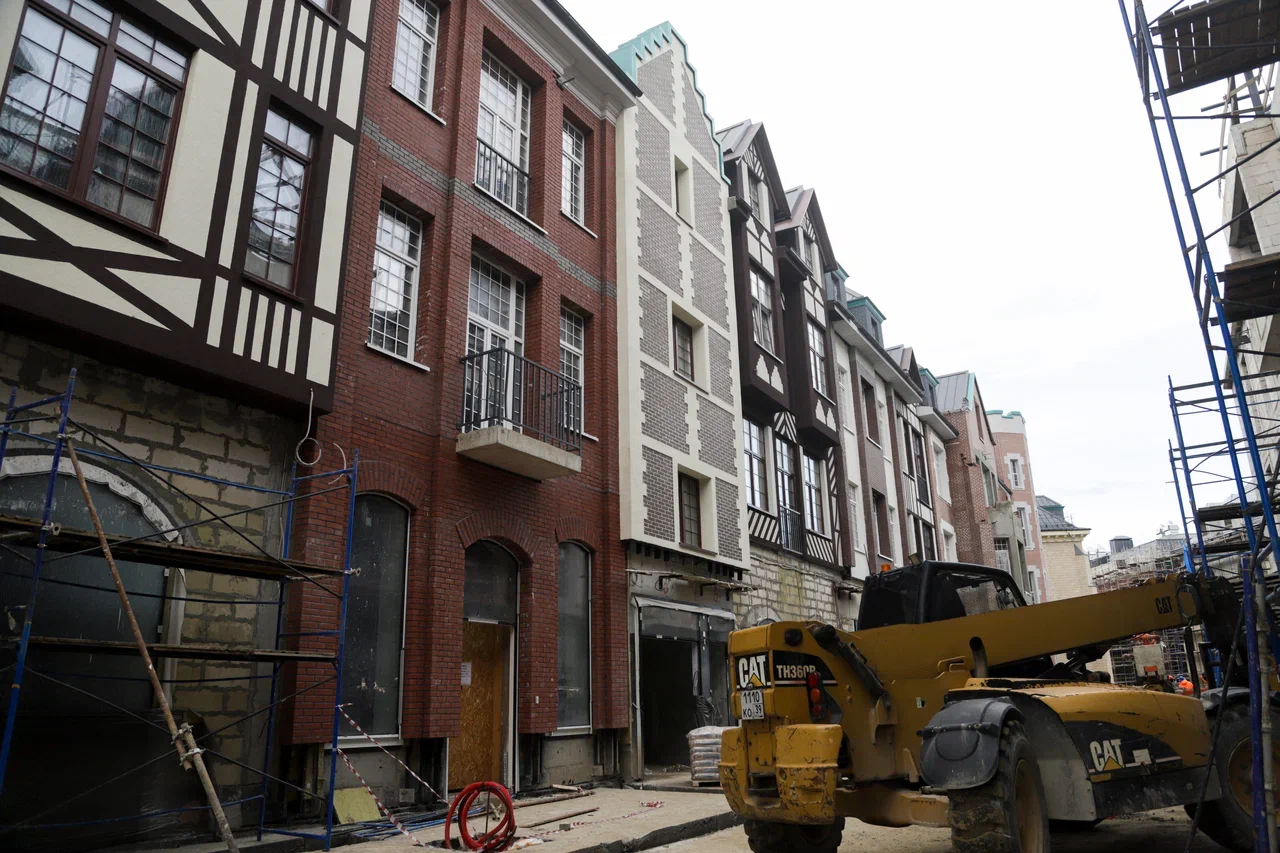
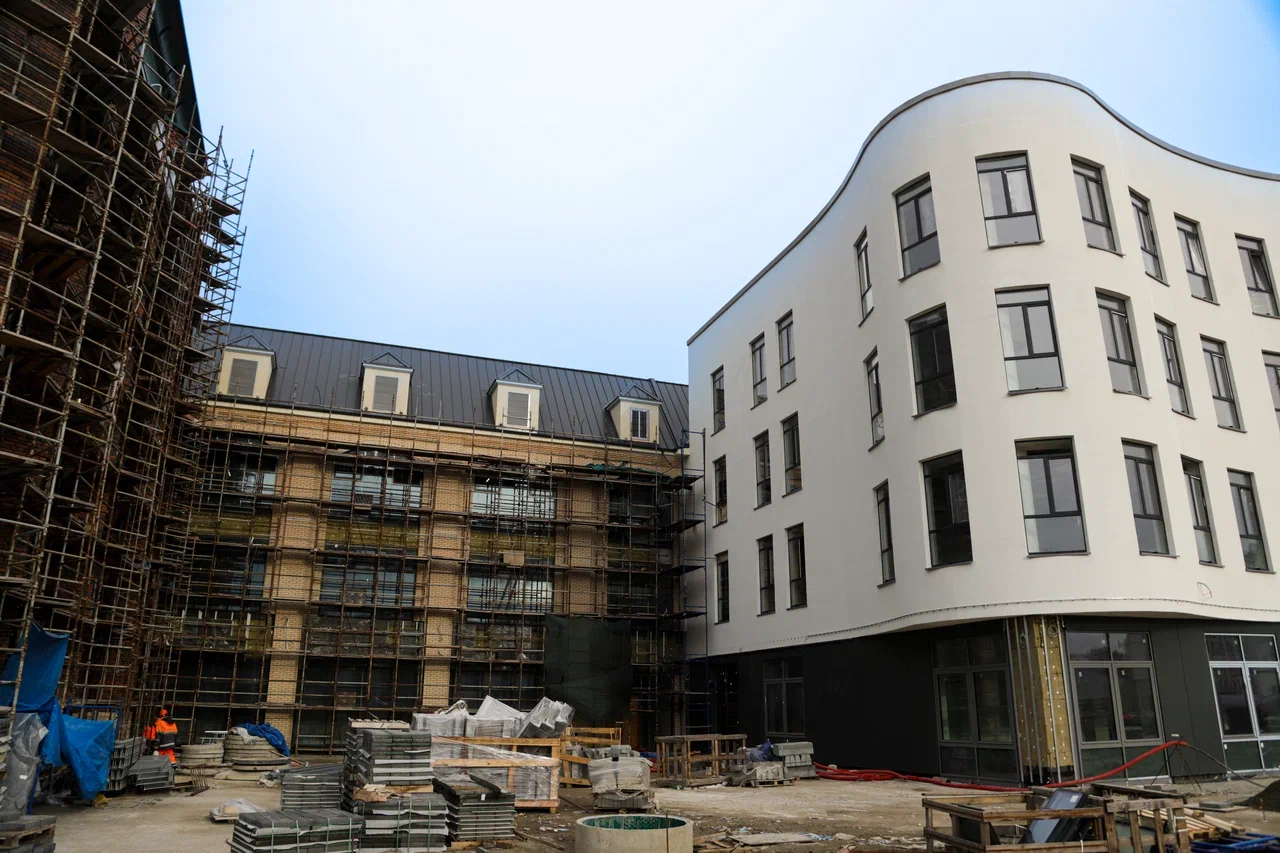
Facade works at the Kantiana campus are nearly 70 percent complete. The total area of the facades exceeds 77,000 square meters.
It is worth noting that this is the only student campus in the country to feature such a wide variety of architectural solutions not only for interior spaces but also for facades. Here, the history of the region and the university is harmoniously combined with modernity.
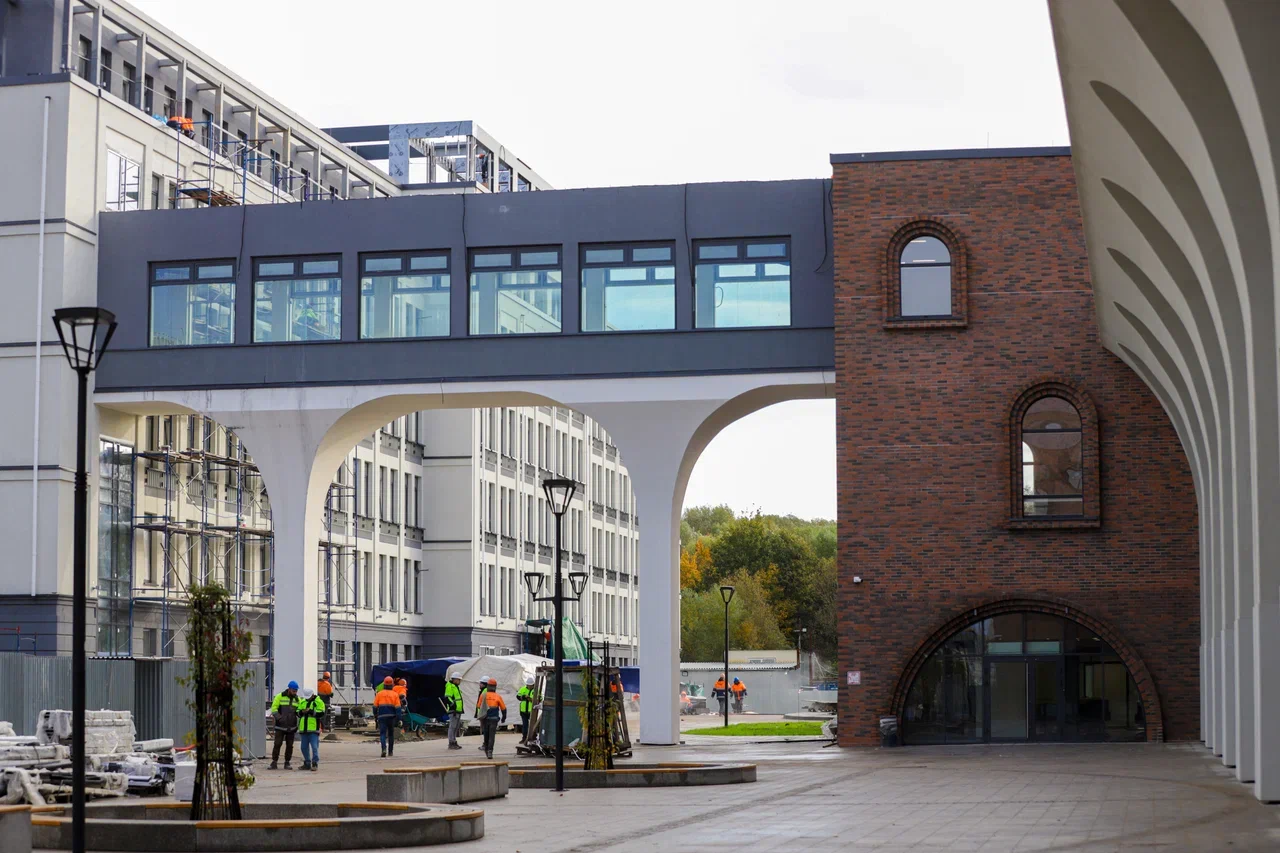
As noted by the author of the concept, renowned Kaliningrad architect Artur Sarnits, the IKBFU campus project is based on a simple idea: the university territory should function like a small city. The buildings are arranged along pedestrian axes, forming natural movement routes. Between them emerge small courtyards and wider spaces resembling public squares. These areas invite people to walk through, pause, communicate, and find convenient routes between academic buildings and recreation zones. As a result, the campus forms a cohesive urban fragment where architecture serves not for spectacle, but for comfort.
| The architectural diversity of the buildings is used as a tool for organizing the environment. Brick facades of the humanities building, the light-colored surfaces of the Institute of High Technologies, and accent elements such as the clock tower do not compete with one another but instead help create areas with distinct characters. Some zones appear calm and intimate, while others are more open and dynamic, |
| Artur Sarnits notes. |
|
|

|
| Together, all these layers create a living architectural map of the campus—a space that reads like a textbook on the history of architecture assembled within a few blocks. In total, more than 20 facade design solutions can be found across the Kantiana campus, |
| the architect emphasizes. |
| Modern, efficient, and durable materials are used in the exterior facade finishing. To ensure architectural diversity, decorative mineral plaster with fine-grained and smooth textures, artificial limestone stone, aluminum panels, brick, stained-glass structures, and glass are employed. The combination of different colors and textures, volumetric decorative elements such as arches and massive friezes (wide horizontal decorative bands), as well as variations in building heights relative to one another, all help avoid monotony and the heaviness of a large-scale complex, |
| Ilya Murzhikneli explained. |
User profile for student
User profile for student
I give consent to the processing of the personal data provided, with Personal Data Processing Policy acquainted
Confirm consent